
For one hundred years, Wickenburg Community Hospital (WCH) has been the heart of healthcare in our region, rooted in a proud tradition of resilience, innovation, and unwavering service to the community. From its first days in 1926 through a century of change, WCH has grown from a small, essential resource to a comprehensive, independent, nonprofit rural hospital—an achievement made possible by dedicated citizens and a supportive local spirit.
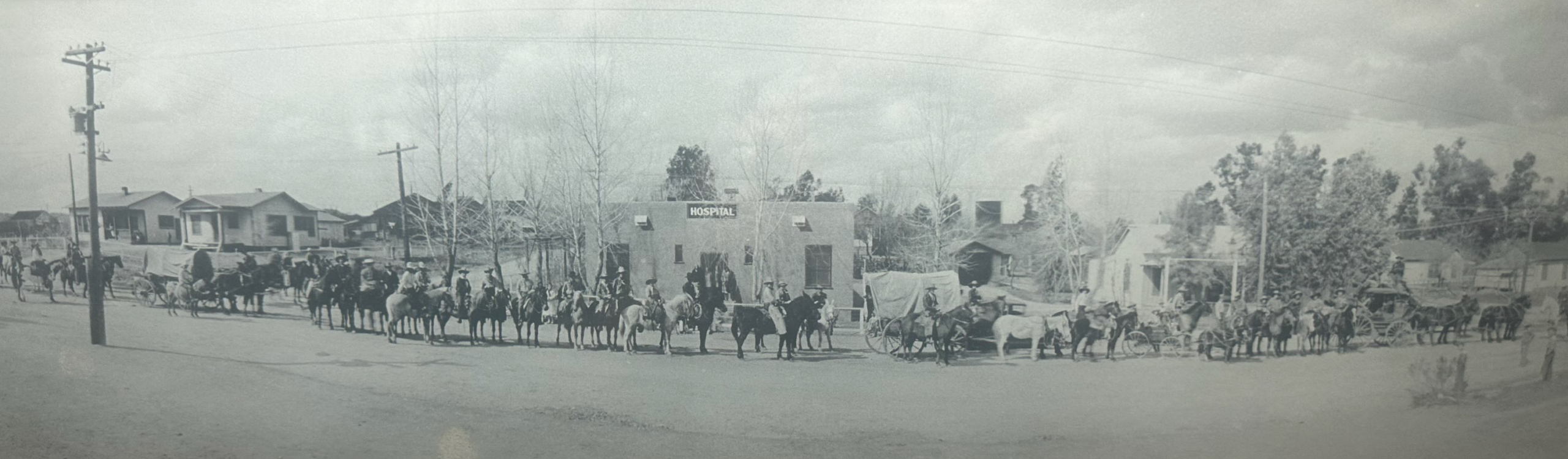
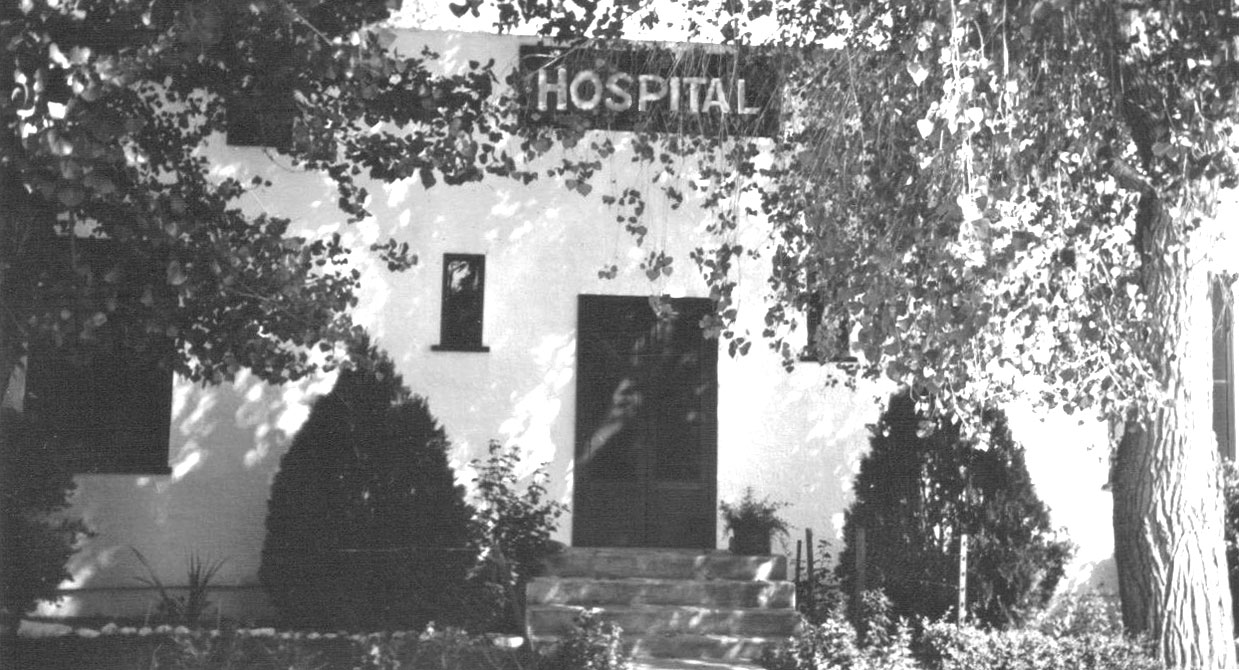
Early Roots and Pioneer SpiritThe story of healthcare in our area stretches back to the days of American pioneers, when life in the West often meant making do in emergencies until a doctor could be found. As far back as 1864, Fort Whipple north of Wickenburg served as a military hospital, and by 1895, the Sisters of Mercy founded St. Joseph’s Sanitarium in Phoenix, demonstrating the persistent need for dedicated care in Arizona’s rural regions. In 1926, Wickenburg opened its first hospital at 74 West Wickenburg Way, just as the community was experiencing new growth and the pressures of rural life. |
 |
| Through the 1930s and 1940s, a small group of determined doctors, including Dr. James Copeland and later Dr. Floyd Bralliar, sustained and expanded the local medical facility. Under Dr. Bralliar’s leadership, capacity was increased to serve more residents, and innovative practices were adopted to meet the realities of frontier medicine. | |
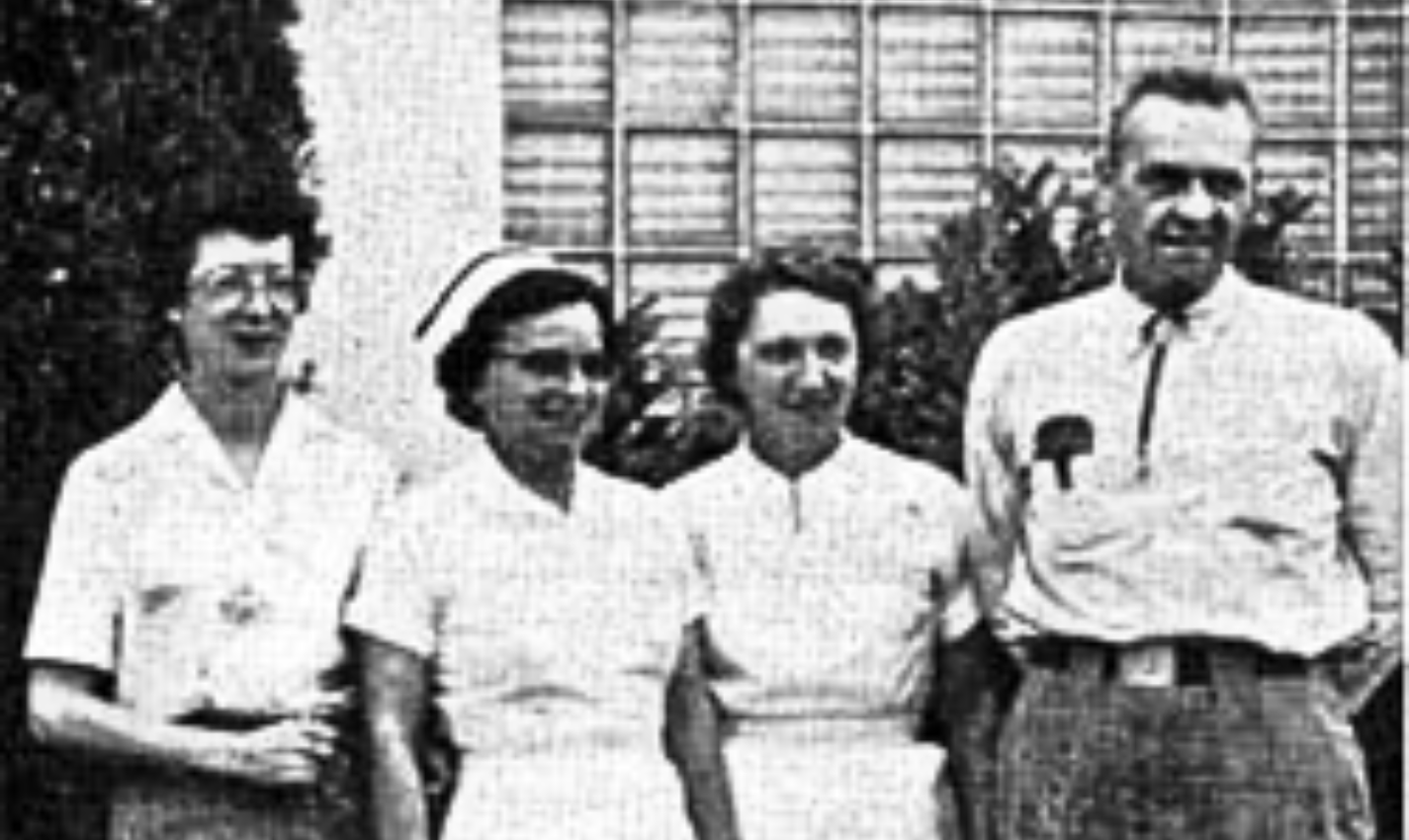
From Crisis to Community OwnershipBy 1945, Wickenburg’s hospital faced closure after Dr. Bralliar suffered a plane crash injury. For a time, a licensed practical nurse kept the doors open—yet the future was uncertain. Local men, Ewald Stein, C.W. “Wes” Paige, and Hal Warner, saw the urgent need to save their community’s only hospital. Against the odds and in the face of public skepticism, they formed the Community Hospital Association, Inc. after persistent advocacy, public meetings, and a bold decision: to sell $1 bonds to raise $25,000 for the purchase of the hospital. Their vision prevailed. In 1946, the hospital was saved, bylaws written, and a Board of Directors established. So successful was this community effort, all bonds were repaid within two years, celebrated by a memorable bond-burning party. The foundation set during these years underscores the values still at the heart of WCH: community investment, fiscal responsibility, and local governance. |
 |
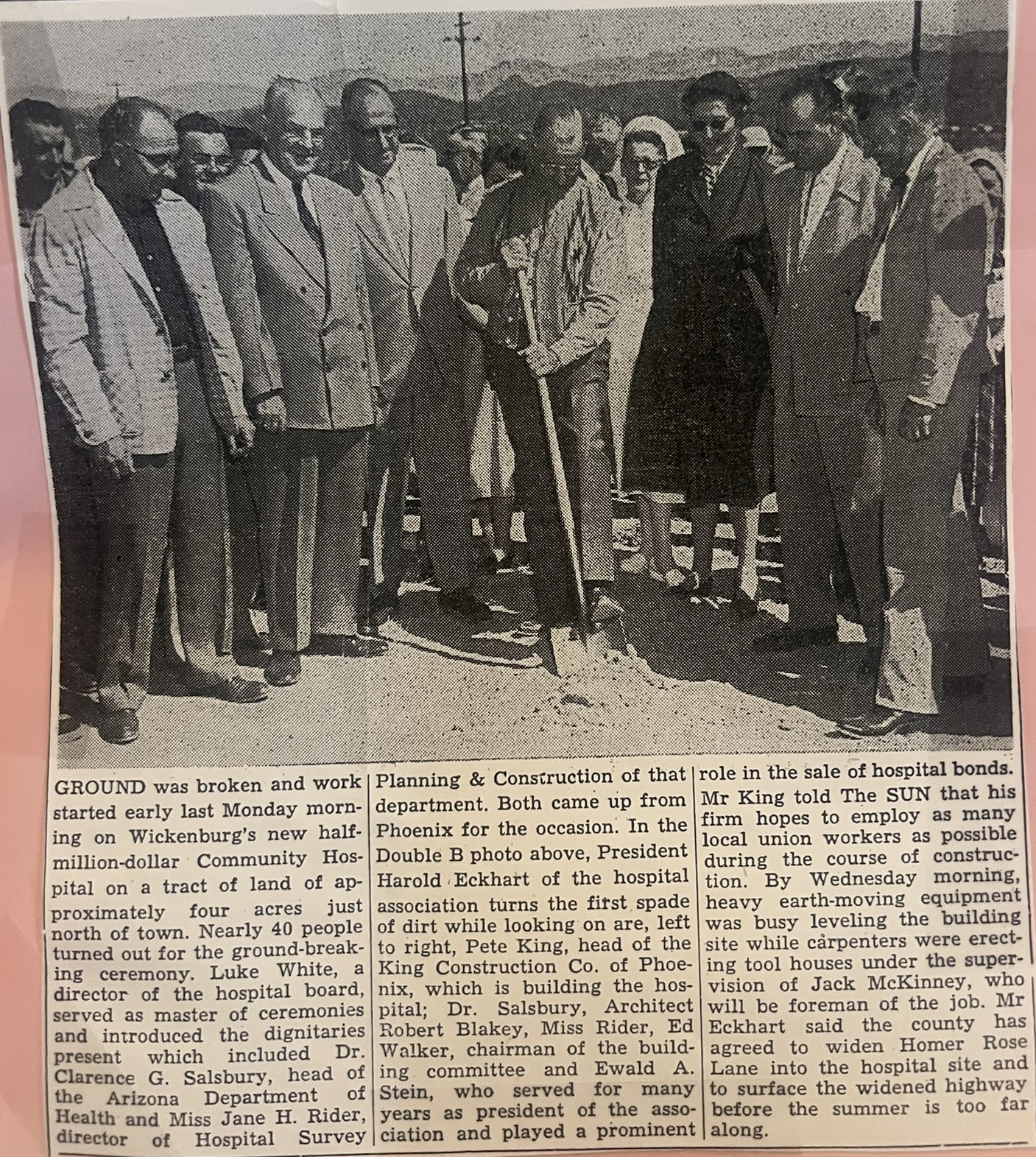 |
Growth Through Collaboration and InnovationWith a growing population in the 1950s, the hospital launched an ambitious expansion under the leadership of a dedicated Board and with the help of the Hill-Burton Act. Community fundraising, steered by Harold Eckhart, and a generous land donation by Dr. Bralliar, led to the construction of a new 35-bed hospital on Rose Lane in 1957. The facility could finally meet both emergency and day-to-day healthcare needs for Wickenburg and nearby communities. (Image from The Wickenburg Sun; March 23rd, 1956 -click image for larger view.) |
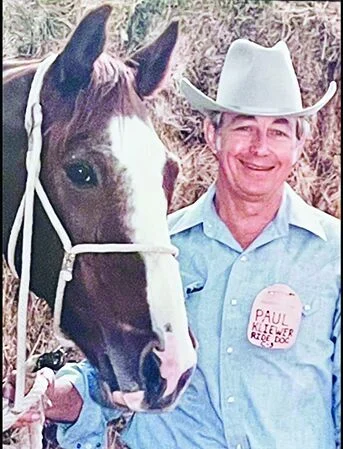
Heroes Among UsDuring this period, several dedicated providers supported the region’s healthcare. One such provider was Dr. Paul W. Kliewer, affectionately known as, “Doc.” He opened a family practice clinic in Wickenburg and treated patients at the Wickenburg Community Hospital when they required advanced care. According to his published obituary, “From birth to minor illnesses, surgeries, accidents and ultimately their death, ‘Doc’ was there. He was the embodiment of the country doctor. He made house calls day or night, attending patients and their families with compassion and his infamous corny jokes. He often said the greatest joy of his practice was ushering in new life. During his tenure as a physician, he delivered more than 1,500 babies, in many cases multiple generations of the same family.” (The Wickenburg Sun) |
 |
 |
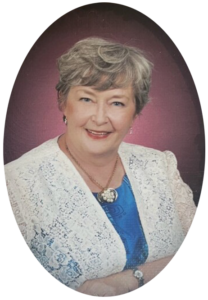
1959 – Serving both as a nurse and later a Director of Nursing, Patricia ‘Pat’ Wittman, RN, contributed to the Hospital’s quality care providers for 27 years. Her love for this hospital and the patients she was blessed to treat was gravely apparent by all. She has been mentioned by those who remember her as a great leader in the field and a person who truly cared about her role in providing quality patient care.
1968 – Veteran, Dwain Earl Brown joined the administration team and lead the organization with such strength and respect that he has been remembered long after his passing in 2004. |
| 1984 -Addition of a Forty-bed nursing home made possible by a generous commemorative gift by local resident, Mrs. Viola Wellik. A treatment wing was also added to the original building with total project expense of $2.35 million. Later that year, the organization set policy to no longer deliver babies. | 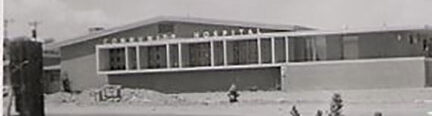 |
 |
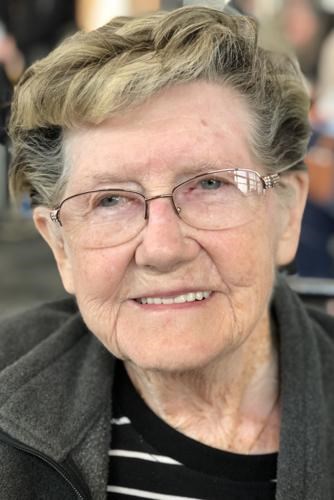
Sharon Barns, RN, with an impressive 40-year career as a nurse, blessed patients and their families as a night nurse for the hospital and a wonderful caregiver in the nursing home wing in addition to other healthcare facilities in the area.Modern additions like a treatment wing and major emergency department upgrades marked each decade. WCH thrived regardless of economic and social challenges by making careful investments in the latest technology and putting patients first. |
A Tradition of Service, Safety, and CommunityFrom the 1979 highlight of staff roles in The Wickenburg Sun to the State Compensation Fund Safety Award in 1990, WCH and its leadership worked to both serve and represent the community. Volunteers, board members, and clinical staff were repeatedly recognized for their efforts—whether it was expanding nursing home capacity, modernizing labs, or receiving accolades for top safety records and rapid redemption of community bonds. Increased use of advanced technologies, such as the installation of a CT scanner and wireless monitoring systems, along with enhancements in emergency services, reinforced WCH’s commitment to quality. As both an urban-classified (due to proximity) and rural hospital, WCH earned high ratings nationwide for cost effectiveness, safety, and outcomes. The hospital’s performance was further enhanced by the formation of the Wickenburg Community Hospital Foundation in the late 1980s, ensuring philanthropic support for future growth and modernization. |
 |
The Wickenburg Regional Health Care Foundation was created to assure the continuance of quality healthcare for Wickenburg and the surrounding region with supplemental funds through philanthropy. Now operating as the Wickenburg Community Hospital Foundation, it continues ongoing philanthropic support to fund vitally important healthcare facilities, equipment and wellness services for the hospital. Expansion projects completed during this time include the laboratory, nursing home, radiology department, mammography machine, ophthalmic stretcher, physical therapy, memorial courtyard, plus ongoing development, operation and maintenance of services. |
Adapting for the FutureWCH persevered through financial challenges in the ‘90s, responding with prudent management rather than considering closure or outside acquisition. It was designated a Critical Access Hospital in 2001, securing more flexible funding under federal law. Later, local control was solidified after Banner Health managed the hospital, and in 2002, full operations returned to the locally managed hospital board. Major renovations in the early 2000s modernized nearly every aspect of care—from rehabilitation to emergency response—financed in part by successful capital campaigns and Foundation support. These improvements included opening a new helipad for faster emergency transport, hosting large community benefit events, and deepening community partnerships through scholarships, outreach, and philanthropy. |

WCH’s dedication to reaching underserved rural communities led to the opening of new Rural Health Clinics, like the first Community Hospital Clinic in 2010, directly across from the main hospital, and the Congress clinic in 2012. The expansion continued into Wittmann in 2018, providing primary care, labs, and phlebotomy for those previously traveling long distances. Arizona’s first telepharmacy service, launched by WCH at the Congress clinic in 2019, connected more patients to essential medications despite rural barriers.
A series of signature enhancements followed—patient-friendly amenities for rehabilitation, ongoing modernization of the Emergency Department, and transitions in response to spikes in patient volume driven by population growth and growing regional demand.
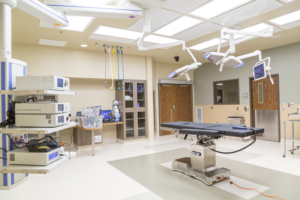
Leading with Surgical and Diagnostic CapabilitiesA major milestone arrived in 2016 with the new Surgical and Diagnostic Center, funded by a blend of federal loans and a remarkable $7.5 million in local community pledges. The expansion brought new specialists, state-of-the-art technology, and valuable jobs to Wickenburg while reducing the need for patients to travel to Phoenix for many procedures. |
|
The 2020 renovation of the Emergency Department included dedicated entrances, modern privacy solutions, and expanded triage—a timely response to increasing regional healthcare demands. The rehabilitation and occupational therapy spaces also saw significant updates that improved patient experiences, such as a practice kitchen and therapy bathtub.
In 2022, the hospital responded to urgent care needs through the creation of QWickCare Urgent Care, providing high-quality medical attention for non-emergent issues. In 2023, Banner Health’s gift of the Del E. Webb Health Center provided much-needed expansion space for these vital services, and in 2025, WCH rolled out the WickCare Mobile Clinic—bringing primary care directly to outlying areas like Wittmann, Aguila, and Peeples Valley, making healthcare even more accessible for all.
A Legacy Built by CommunityThroughout every transition, upgrade, and challenge, the heart of WCH has remained the same: a hospital built and sustained by its people, for its people. Whether it’s stories of volunteers painting late into the night, clinics built to eliminate barriers for rural residents, or new technology driven by local initiative and generosity, WCH is proof that rural healthcare can thrive with the right commitment and community support.WCH’s independence as a non-profit hospital has shielded it from the fate that has befallen many rural facilities—consolidation or closure. Local governance and steadfast community partnership have allowed the hospital to evolve, innovate, and expand while always prioritizing patient and community needs over outside interests. |
Wickenburg Community Hospital’s first 100 years tell the story of collaboration, vision, and enduring service. It is a story built on grit and gratitude, where healthcare professionals and volunteers alike have stepped up for the well-being of neighbors, families, and friends.With a century behind us and an unwavering focus on the future, WCH remains more than a hospital—it is a symbol of resilience, care, and connection across generations and geography. As we enter a new era, the same partnership between hospital and community will continue shaping a future where everyone can count on accessible, excellent healthcare close to home.